Healthcare, history, and heritage. Growing up, I thought of school as science and math versus English and history. I couldn’t imagine my two realms merging. However, in the real world, outside my school walls, the two universes combine more than I imagined.
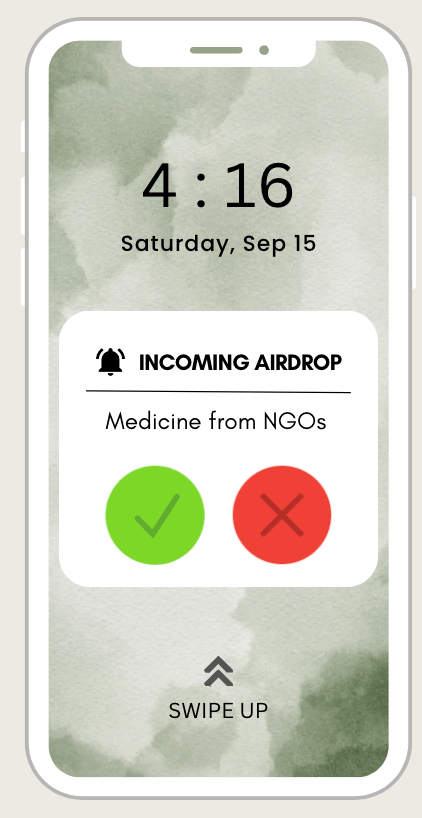
In an invited lecture at China Yunnan University in 2014, Judith Farquhar proposed, “Global health is an airdrop medicine.” She wasn’t comparing Global Health to Apple’s AirDrop, but instead, she elaborated on delivering life-saving assistance and equipment to other regions in times of need. However, how effective is the airdrop system?
Many western non-governmental organizations, such as the Bill and Melinda Gates Foundation, finance notable resources in providing biomedical technology and other assets, such as medicine, healthcare professionals, and medical education, to underdeveloped parts of the world. Although these materials and resources are being “airdropped” and supplied to remote parts of the world, they may not be utilized in the way they were intended. This is not due to a lack of knowledge about these materials but rather has more to do with the different cultural values and beliefs of the local population. As a result, airdropping biomedical materials becomes a standard healthcare strategy that does not apply to all societies, resulting in cultural insensitivity.
We can see the devastating result of this cultural insensitivity in tropical regions. When Western colonists settled in these tropical areas, there was a spike in maternal mortality rates. The correlation between the colonists and the high mortality rates was blinding and could not be overlooked. The local healthcare practices in these areas quickly became influenced by Western practices. However, the locals did not adopt these Western medicinal practices related to childbirth. The Western influence not conforming to the community’s cultural beliefs resulted in many local citizens refusing to indulge in medicines and resources to aid in the childbirth process.
To achieve the standards of global health, the problem of cultural insensitivity in healthcare must be mitigated. There are several ways to achieve this, one of them is participating in fieldwork to gain detailed information and knowledge of the cultures of different communities. This can help to understand local cultures’ beliefs about diseases and their treatments in different societies. Anthropologists, those who study human societies, cultures, and their development, and healthcare professionals can provide insights to improve and design adaptable healthcare approaches and resources that are appropriate for increasing global health while taking cultural factors into account.
Suppose the cultural beliefs and values of different communities can be acknowledged in healthcare. In that case, it can lead to more effective and inclusive interventions, ultimately fostering better health outcomes for diverse populations worldwide.
Works Cited:
Ji, Ruobing, and Yu Cheng. “Thinking global health from the perspective of anthropology.” Global Health Research and Policy, vol. 6, no. 1, 2021, https://doi.org/10.1186/s41256-021-00233-z.
 Anthrofusion
Leave a comment